Technology Tools for Better Resource Planning and Tracking
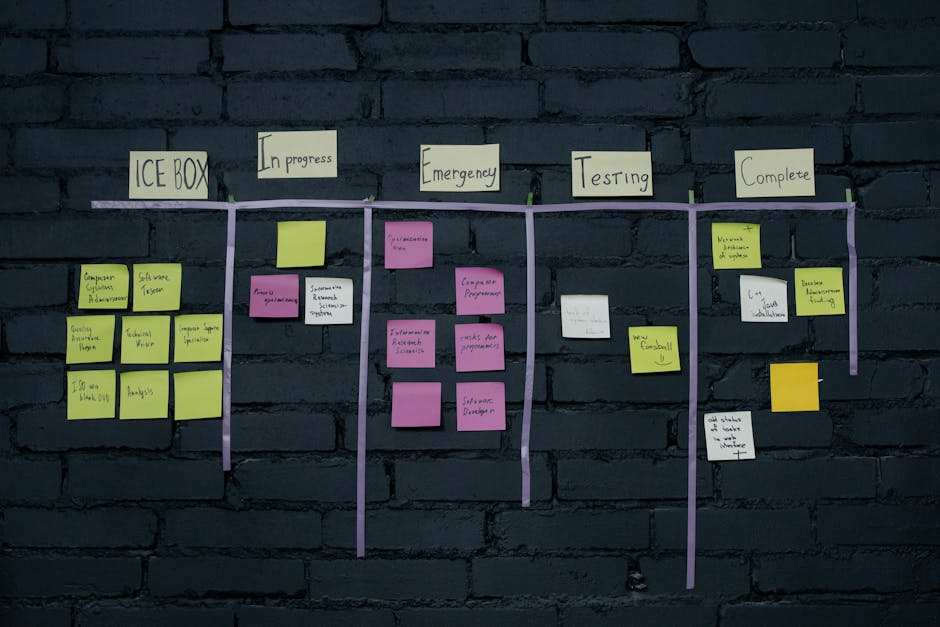
Manual spreadsheets and scattered documentation make resource management unnecessarily complicated. Modern technology platforms offer significant advantages for organisations looking to streamline their resource planning and tracking processes.
Why Digital Tools Matter
When resource data lives in multiple spreadsheets, emails, and people's heads, inconsistencies emerge. Decisions get made on incomplete information. Staff spend time updating records instead of doing productive work. A centralised digital platform eliminates these problems.
Good resource management software provides real-time visibility into resource availability, allocation, and utilisation. Managers can see who's working on what, identify bottlenecks, and make adjustments quickly. Finance teams can track spending against budgets. Leadership can monitor whether resources are delivering expected outcomes.
Key Features to Look For
- Resource capacity planning: Visual tools showing team availability and workload distribution
- Time tracking: Accurate recording of how staff spend their time across projects
- Budget management: Integration with financial systems for spending tracking
- Reporting and analytics: Dashboards showing resource utilisation rates and trends
- Integration capabilities: Connection with existing HR, finance, and project management systems
- Scalability: Ability to grow with your organisation
Types of Tools Available
Enterprise resource planning (ERP) systems manage resources across entire organisations. They're comprehensive but can be complex and expensive. Project management tools like Asana or Monday.com track resources at project level. Workforce management platforms focus specifically on staff scheduling and capacity. Choose based on your organisation's size and complexity.
Implementation Considerations
Introducing new technology requires change management. Staff need training to use tools effectively. Processes need updating to match the new system. Start with clear objectives—what problem are you solving? How will you measure success?
Begin with a pilot programme in one department. Work out issues at small scale before rolling out organisation-wide. Involve end-users in selection and implementation. When staff help choose tools and shape how they're used, adoption rates improve significantly.
Getting Value from Your Investment
Technology is only valuable if people use it properly. Regular training, clear processes, and management accountability ensure data quality. Establish governance—who's responsible for updating information? What happens if data gets outdated?
Review your tools annually. Are they still meeting your needs? Are staff using them as intended? Are you extracting insights from the data? Technology should make resource management easier and more effective. If it's not, adjust your approach or consider alternatives.